
Switching Platforms No Longer Erases the Past.
It is what makes the past finally analyzable.
The new values, re-orgs, and shifting recognition priorities that scattered your history over the years are exactly what we untangle, turning a decade of data into an asset before your new program runs.
The Problem Nobody Talks About
Most Program Data Does Not Get Analyzed Because it Cannot Be…
Here’s Why.
Companies usually stick with recognition platforms that aren’t working because switching sounds painful: new implementation, change management, user adoption. That’s real, but it’s not the main reason. The real reason is that a decade of program data feels impossible to move.

And honestly, it kind of is. After years of vendor switches, schema changes, M&A integrations, and one-off custom fields, even the best-kept recognition history stops being consistent. The data’s technically still there, but no two years look alike. Making sense of it isn’t a simple query. It’s a data engineering problem, one most companies have never had a partner willing to take on.
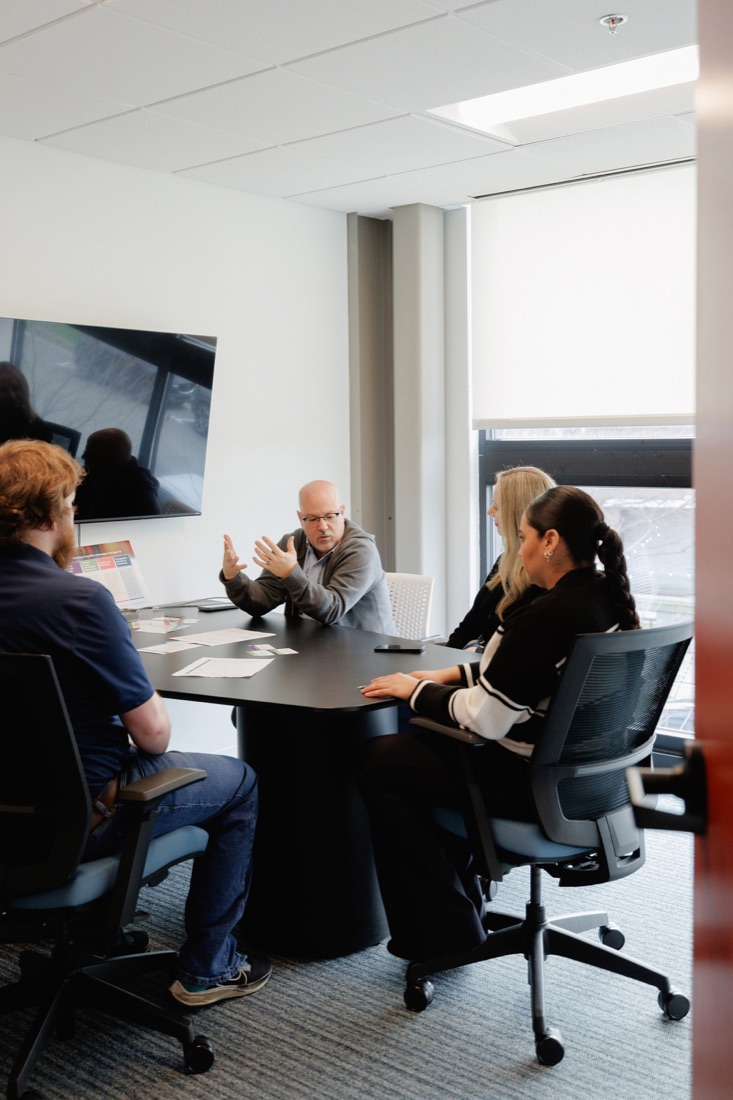
So years of recognition activity, hundreds of thousands of moments and tens of millions of dollars invested, just sits there unused. It can’t show you who your best managers were. It can’t show you which teams held onto talent during hard times. It can’t tell you what worked. The history is preserved but useless, and every new program gets built without any lessons from the last one.
The Continuity Promise
The Offer to Do the Work
Nobody Else Has.
When you switch to Xceleration, the first thing we do is take your current vendor’s last three years of recognition data and turn it into something analytically coherent. The relaunched program on our platform, on RewardStation®, is then designed around what the normalized data reveals. The analysis precedes the program design. This is the inverse of how recognition programs are usually launched.
Phase 01 | Ingest
We Take Everything
Every recognition event, comment, award, and point ledger from your current vendor’s platform, from the past three years. We pull it. You don’t have to.
Phase 02 | Normalize
We Make It Coherent
This is the part nobody else does: untangling years of schema changes and inconsistent values tags into one structure Maslow can reason about.
Phase 03 | Relaunch
We Build the Program
Your new program gets designed around what the data shows: which managers built loyal teams, which areas got overlooked. The past becomes a foundation, not a reset.
Why This Offer Is Rare
We Can Offer This Because We
Did the Work First.
What makes the Continuity Promise credible is not that we describe it well. It is that we have already done it, on Xceleration’s own 25-year dataset, across dozens of enterprise programs, before Maslow could exist at all.
Before Maslow could analyze anyone’s recognition data, our own had to become analyzable first. Twenty-five years of program eras, schema changes, acquisitions, custom deployments, and shifting values frameworks had to be normalized into one coherent structure. That took years, tools that didn’t exist when we started, and real judgment calls about how to harmonize data from programs never designed to be compared.

Most recognition platforms have never had to solve normalization at this scale, and most don’t try. Even companies that have run programs for twenty years usually haven’t done this work: their data sits locked in static dashboards, split by year, region, or program era, never integrated across time. Switching to a vendor who can do this work is the only way that locked history becomes usable. We’re simply extending the work that made Maslow possible into work we now do for clients from day one.
Your First Deliverable
A View Your Current Vendor
Has Never Given You.
Before your new program even launches, you get the analyzed view of your last three years. This is your first deliverable and contains answers to questions you’ve been asking your current recognition vendor for a decade. Which managers built loyal teams. Where the equity gaps are. Which values actually got recognized, versus just talked about. It’s the kind of evidence most of the industry has never been able to produce.
See What Maslow Proves