How to Build a Recognition Program That Works for Field Teams and On-Site Crews
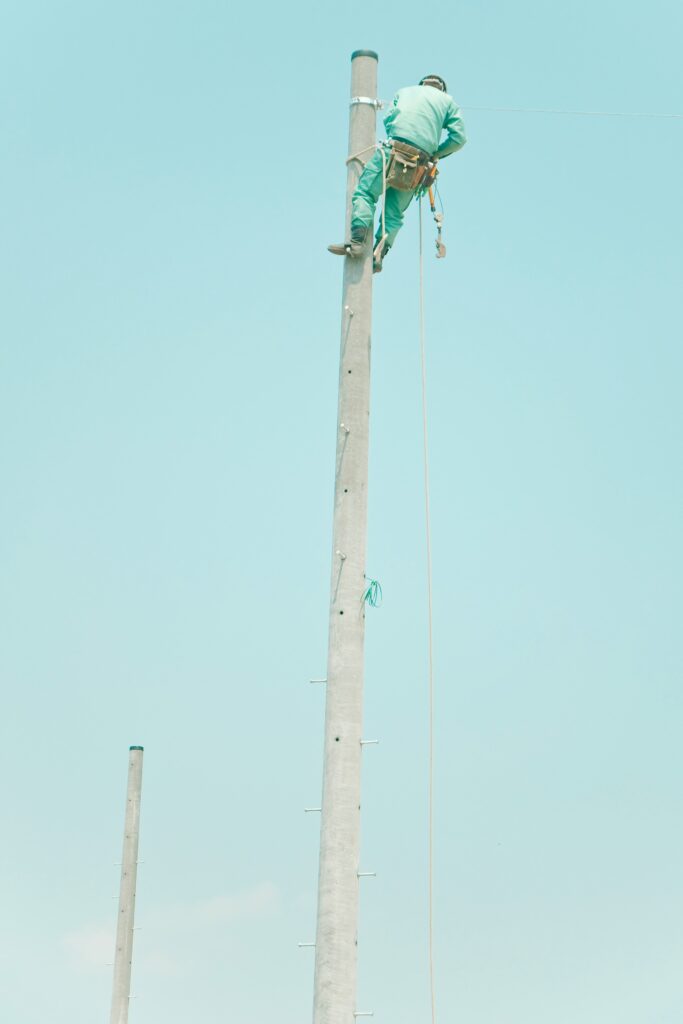
Recognition programs are everywhere in corporate offices. Shoutouts in all-hands meetings, awards ceremonies in conference rooms, digital badges on company intranets. But what about the thousands of employees who never step foot in headquarters? The technicians climbing utility poles, the construction crews pouring concrete at dawn, the service teams traveling between job sites all day?
Field and on-site workers are the backbone of industries from construction and utilities to logistics and facilities management. Yet they’re often the most overlooked when it comes to employee recognition. The cost of this oversight is real. According to the U.S. Bureau of Labor Statistics, the construction industry’s turnover rate was 4.0% in January 2025, and when workers feel unrecognized, those numbers climb. Research from Gallup shows that companies with strong recognition programs see 31% lower voluntary turnover, a critical advantage in industries already facing labor shortages.
Traditional recognition programs simply don’t translate to the field environment. Workers spend their days in hard hats rather than at desks, and companies that get recognition right for these teams see remarkable results: stronger safety cultures, improved retention, and crews that take genuine pride in their work.
Understanding the Field Recognition Challenge
Field workers face a unique visibility problem. Managers might oversee crews spread across dozens of job sites. Achievements happen in trenches, on rooftops, and in customer locations far from anyone with authority to recognize them. By the time news of exceptional work filters back to leadership, the moment has passed.
They also face an access problem. Recognition platforms built for office workers assume constant computer access, reliable internet, and time to log in during the workday. Field crews have none of these luxuries. They’re working with their hands, often in remote locations, with phones tucked away for safety reasons.
Then there’s the relevance problem. Many recognition programs emphasize values like “innovation” in ways that feel disconnected from field realities. What does a digital badge mean to someone whose day revolves around completing a gas line installation safely and on schedule?
Designing Mobile-First Recognition
According to Gallup, in general, well-recognized employees are 45% less likely to have turned over two years later. The foundation of any effective field recognition program is accessibility; field employees can only benefit if they can actually access recognition.
Mobile-first design is non-negotiable. Field employees live on their phones during breaks and after shifts. Your recognition platform needs to work flawlessly on mobile devices with intuitive, thumb-friendly interfaces. Push notifications can alert workers to recognition in real-time, creating moments of appreciation that break through the noise of their day.
For crews without consistent phone access during work hours, end-of-shift or end-of-week recognition digests work well. These can be delivered via text or email during commute times when workers are more likely to engage. Some forward-thinking companies integrate recognition directly into the tools field workers already use daily—safety logging apps, job documentation tablets, or time-tracking systems.
Making Recognition Timely and Relevant
Timing matters enormously in recognition. For field teams, real-time recognition is particularly powerful because their work is so tangible and immediate. When a crew completes a challenging installation ahead of schedule, recognition within hours hits differently than an award weeks later.
The best field recognition programs empower frontline supervisors and foremen to deliver recognition on the spot, right from their phones while still at the job site. This requires removing bureaucratic friction. Supervisors shouldn’t need approval from HR or multiple form fields to recognize someone. The process should be as simple as sending a text message.
Peer-to-peer recognition is equally important but often overlooked for field teams. When crew members can recognize each other’s contributions, it builds camaraderie and reinforces team values in powerful ways. Creating casual mechanisms like “crew shoutouts” or “safety assists” can lower the barrier to participation in environments where workers might be hesitant to formally recognize peers.
Choosing Rewards That Resonate
Here’s where many recognition programs lose field workers entirely. Corporate rewards catalogs filled with logo merchandise or restaurant gift cards for chains that don’t exist near job sites simply don’t connect.
Effective rewards for field teams reflect their actual lives and priorities. Cash or cash equivalents like prepaid cards are consistently popular. Gas cards are especially valued by workers who drive long distances to job sites. Gift cards to hardware stores, sporting goods retailers, or local restaurants workers actually frequent show understanding of their world.
Equipment and gear that makes their jobs easier or safer also resonates strongly. High-quality work gloves, premium headlamps, insulated water bottles, or weather-resistant jackets are rewards field workers genuinely appreciate and use. These items provide daily reminders of recognition while serving practical purposes.
The most successful programs offer choice. Let workers select from a range of rewards at different point levels so they can pick what’s most meaningful to them.
Recognizing Safety, Productivity, and Collaboration
What you recognize shapes behavior and culture, so choosing the right recognition criteria is critical for field teams.
Safety should be at the top of the list. Recognizing workers who consistently follow safety protocols, identify hazards, or help create safer work environments reinforces that safety is a genuine priority.
This might include recognizing crew members who speak up about unsafe conditions, workers who maintain perfect safety records, or teams that complete projects without incidents. But avoid programs that reward “days without incidents” across large crews, as these can inadvertently discourage incident reporting.
Productivity recognition celebrates efficient, quality work. This might mean recognizing crews who complete projects ahead of schedule without cutting corners, workers who find innovative solutions to field challenges, or individuals who consistently deliver high customer satisfaction scores.
Team collaboration is especially important to recognize because field crews depend on each other in ways office workers often don’t. Recognizing workers who train newer team members, crews that help other teams meet deadlines, or individuals who maintain positive attitudes during difficult projects reinforces the collaboration that makes field work successful.
Building Visibility for Remote Achievements
One of the biggest challenges in field recognition is that many people never see the great work being done. Photo and video sharing can bring field achievements to life. When a crew completes a complex installation, a quick photo shared company-wide lets everyone see the accomplishment.
Project milestone celebrations create natural recognition opportunities. When a long-term project hits completion, recognize the entire crew’s contribution company-wide. Some organizations create brief video highlights featuring crew members talking about challenges overcome.
Leadership visibility is particularly powerful for field teams who rarely interact with executives. When a senior leader takes time to visit a job site specifically to thank a crew, or calls a worker directly to acknowledge their contribution, it signals genuine appreciation in ways that digital badges never can.
Making Recognition Sustainable
Even the best-designed program will fail without thoughtful implementation. Start with a pilot involving a few crews or regions rather than rolling out company-wide immediately. This lets you test what works, gather feedback, and refine the program before full deployment.
Training is essential, especially for supervisors and foremen who will drive recognition day-to-day. Many frontline leaders rose through technical expertise and aren’t naturally comfortable with formal recognition. Provide simple frameworks for what and how to recognize, and normalize recognition as part of their leadership role.
Sustaining the program requires tracking participation rates by crew and region to identify where recognition might be lagging. Share stories of impactful recognition moments to reinforce the program’s value. Most importantly, celebrate the program’s impact on retention, safety, and engagement to maintain leadership support.
Field workers spend their days doing difficult, sometimes dangerous work that literally builds and maintains the infrastructure modern life depends on. They deserve recognition programs designed for their reality, not adapted from corporate office models. When recognition reaches workers on job sites through their phones, acknowledges what actually matters in their work, and offers rewards that fit their lives, something powerful happens. Field teams feel seen, valued, and connected to the larger organization.
That’s a recognition program that works.
Learn more about rewards for Safety Programs.