Table of Contents
Share This Post
Channel incentive program management can make or break your partner relationships and revenue performance. Well-managed programs create competitive advantages by motivating partners, accelerating sales, and strengthening loyalty. Poorly managed programs waste resources, frustrate partners, and deliver minimal impact.
The difference isn’t just about program design, it’s about execution discipline. Even the most generous incentive structures fail when management is inconsistent, communication is unclear, or tracking becomes complicated.
Let’s explore the best practices and strategies that separate high-performing channel incentive program management from programs that struggle to deliver results.
Common Channel Incentive Program Management Mistakes
Understanding what doesn’t work helps you avoid expensive missteps. These common mistakes undermine even well-intentioned programs:
Overly complex structures. When partners need spreadsheets to calculate potential earnings or can’t easily understand qualification criteria, participation drops dramatically. Complexity creates confusion that kills motivation.
Inconsistent communication. Programs announced with fanfare but rarely mentioned afterward lose momentum quickly. Partners need regular reminders, performance updates, and success stories to stay engaged.
Poor tracking and visibility. If partners can’t see their current standing or understand how close they are to incentive thresholds, the program loses its motivational power. Real-time visibility drives action.
Delayed reward fulfillment. Nothing destroys partner trust faster than slow or disputed incentive payments. When partners earn rewards but wait months to receive them, credibility evaporates.
Set-it-and-forget-it mentality. Markets change, strategies evolve, and partner needs shift. Programs that remain static lose relevance and effectiveness over time.
Lack of measurement. Without tracking participation rates, revenue impact, and return on investment, you can’t identify what’s working or justify continued program investment.
Best Practices for Channel Incentive Program Management
Effective management requires disciplined execution across multiple dimensions. Implement these best practices to maximize program impact:
Establish Clear Program Objectives
Before launching any channel incentive program, define exactly what success looks like. Are you driving new customer acquisition? Increasing deal sizes? Accelerating product adoption? Improving partner retention?
Clear objectives guide every program decision, from incentive structure to communication strategy to measurement approach. Without defined goals, you can’t evaluate effectiveness or make informed adjustments.
Design Simple, Transparent Structures
The best channel incentive program management keeps things straightforward. Partners should understand qualification criteria, earning mechanisms, and reward options without extensive explanation.
Create tiered structures with clear performance thresholds. Use straightforward metrics that partners can influence through their actions. Provide simple calculators or tools that show exactly what performance levels earn what rewards.
Communicate Consistently and Strategically
Program launch is just the beginning. Effective channel incentive program management includes ongoing communication that maintains awareness and engagement.
Send regular updates about program performance, highlight partner success stories, remind participants of upcoming deadlines or opportunities, and reinforce how the program connects to broader partnership value.
Use multiple communication channels, email, partner portals, webinars, conference presentations, to reach partners where they’re already paying attention.
Provide Real-Time Performance Tracking
Partners need to see where they stand at any moment. Implement partner portals or dashboards that display current performance against incentive thresholds, progress toward next reward tiers, and historical achievement.
Visibility creates urgency and focus. When partners can check their status easily, they’re more likely to take actions that move them closer to incentive goals.
Process Rewards Promptly and Accurately
Once partners earn incentives, fulfill rewards quickly and without disputes. Establish clear timelines for reward processing and honor those commitments consistently.
Automate reward fulfillment where possible to eliminate delays and reduce administrative burden. Partners who receive rewards promptly develop trust in your program and confidence in their partnership investment.
Gather Feedback and Iterate
Your partners interact with the program daily and understand what works and what creates friction. Regularly survey participants about program effectiveness, clarity, and value.
Use feedback to refine program elements that aren’t working well. Partners engage more deeply with programs they’ve helped shape through their input.
Measure What Matters
Track metrics that demonstrate program impact on business objectives. Key measurements include participation rates across partner tiers, incremental revenue generated through incentivized behaviors, partner retention and loyalty indicators, and return on investment compared to program costs.
Data-driven channel incentive program management allows you to justify investment, identify improvement opportunities, and demonstrate value to internal stakeholders.
Strategies for Different Partner Segments
Not all partners have the same capabilities, motivations, or growth potential. Effective channel incentive program management recognizes these differences and provides appropriate pathways for various partner types. More about this, from Salesforce.
Emerging Partners
New or small partners need programs focused on capability building and early wins. Lower thresholds for initial rewards, training and certification incentives, and co-marketing support help emerging partners gain traction without overwhelming them.
Growth-Stage Partners
Mid-tier partners benefit from incentives that encourage expansion into new markets, increased product breadth, or larger deal sizes. Structure programs that reward growth trajectories rather than just absolute performance levels.
Strategic Partners
Your largest, most capable partners need programs that recognize their strategic importance while challenging them toward higher performance. Exclusive benefits, executive engagement opportunities, and substantial rewards for major achievements maintain engagement with elite partners.
Technology Considerations for Program Management
Modern channel incentive program management relies on technology that simplifies administration and enhances partner experience.
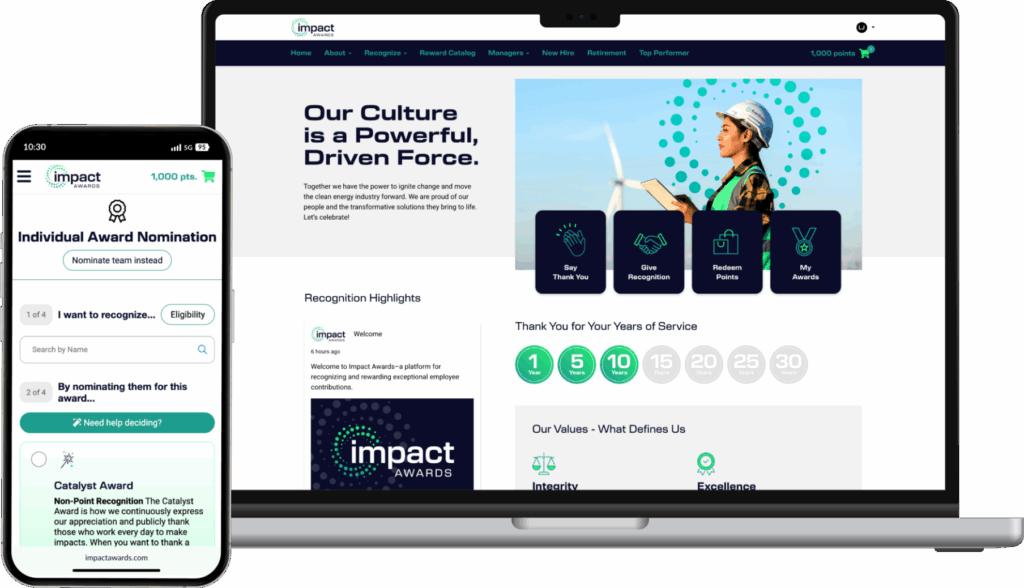
Partner portals provide centralized access to program information, performance tracking, reward catalogs, and communication resources. Partners should find everything they need in one intuitive location.
Automated tracking systems eliminate manual data entry and calculation errors. Integration with your CRM and sales systems ensures accurate, real-time performance measurement.
Flexible reward platforms offer diverse incentive options that partners can choose based on individual preferences. Personalization increases perceived reward value without increasing program costs.
Analytics capabilities transform raw participation data into actionable insights about program effectiveness, partner behavior patterns, and optimization opportunities.
Building Long-Term Program Sustainability
Successful channel incentive program management balances short-term performance needs with long-term partnership development.
Avoid constant program changes that create partner confusion and frustration. Make thoughtful adjustments based on data and feedback rather than reacting to every quarterly result.
Budget realistically for program costs including rewards, administration, and technology. Underfunded programs that can’t fulfill commitments damage partner relationships permanently.
Align with partner business cycles so incentive periods match when partners are planning activities and making decisions. Timing matters as much as structure.
Integrate with broader partner programs so incentives complement training, marketing support, and other partnership elements. Isolated incentive programs deliver less impact than coordinated partner strategies.
Elevate Your Channel Incentive Program Management
Strong channel incentive program management transforms partner networks from cost centers into strategic revenue engines. The difference between programs that deliver results and those that disappoint comes down to execution discipline across design, communication, tracking, and continuous improvement.
At Xceleration, we help organizations worldwide implement channel incentive program management that drives measurable partner performance. Our RewardStation platform provides the technology, flexibility, and global reach you need to manage sophisticated programs effectively.