Table of Contents
Share This Post
Channel partnerships are no longer a nice-to-have growth lever, they’re a strategic imperative. According to KPMG, 75% of business leaders now acknowledge ecosystem partnerships as a key driver of their growth strategies. And with partner-delivered IT projected to account for more than 70% of global IT spending in 2025, organizations that invest in their partner networks are positioning themselves for outsized returns.
But a strong channel partner strategy doesn’t happen by accident. It requires intentional program design, consistent engagement, and a commitment to making your partners feel valued, not just utilized. Here are 10 strategies to build a channel partner program that drives real growth in 2026.
1. Define Clear Goals Before You Build
Every effective channel partner strategy starts with clarity. Before designing incentives or onboarding new partners, define what success looks like. Are you expanding into new markets? Accelerating new product adoption? Reducing partner churn? Setting specific, measurable KPIs gives your program focus and makes it easier to prove ROI over time.
Without defined objectives, even well-funded programs can miss the mark. A structured, goal-first approach ensures every investment, from training to rewards, is tied to outcomes that matter.
2. Segment Your Partner Network Strategically
Not all channel partners are created equal. Resellers, distributors, system integrators, and value-added providers each bring different capabilities and motivations. A one-size-fits-all approach leaves performance on the table.
Invest in smart partner segmentation, grouping partners by revenue potential, market focus, engagement level, and strategic fit. This allows you to tailor your support, communication, and incentive structures to what each partner actually needs. Personalized programs consistently outperform generic ones because they align with what partners genuinely value.
3. Build a Tiered Incentive Structure
Structured tiers, think Bronze, Silver, Gold, and Platinum, create a clear growth path that motivates partners to invest more deeply in your brand. Higher tiers can unlock meaningful perks: priority support, co-marketing funds, early product access, or dedicated account management.
The key is to reward more than just revenue. Tie tier advancement to behaviors that drive long-term value: training completion, deal registration, customer satisfaction scores, and product mix. This keeps partners engaged well beyond the initial sale.
4. Reward Performance with Points-Based Programs
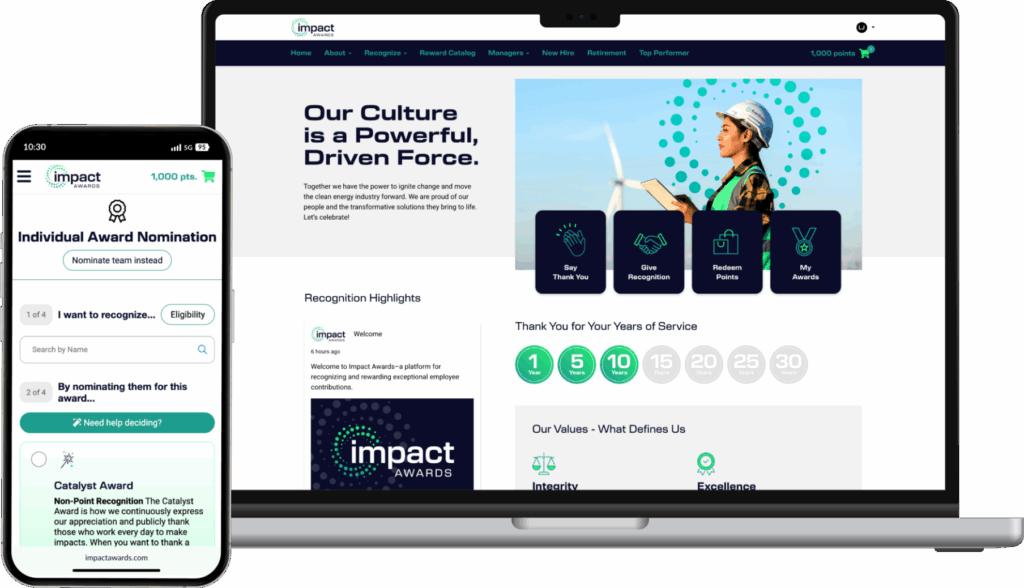
Points-based reward programs are one of the most effective tools in a channel partner strategy because they create ongoing motivation tied to specific behaviors. Partners earn points for hitting sales milestones, completing certifications, registering deals, and more, then redeem those points for rewards that resonate with them personally.
According to the Incentive Research Foundation, well-structured reward programs can lift performance by up to 44% when sustained for more than six months. The flexibility of points-based systems also makes it easy to adjust incentives as your program evolves.
5. Prioritize Partner Enablement
Partners cannot sell what they don’t understand. Comprehensive enablement, product training, certification pathways, and easy access to sales resources, is essential to channel partner growth. Organizations that invest in digital-first enablement, including self-service portals and virtual training tools, reduce partner onboarding time and improve overall productivity.
Enablement isn’t just a one-time investment. Ongoing training keeps partners current on new products, competitive positioning, and market trends, and it signals that you’re committed to their long-term success, not just their short-term revenue.
6. Recognize Partners Beyond the Transaction
Recognition is one of the most underutilized tools in channel partner strategy. Public acknowledgment, through partner spotlights, annual awards programs, leaderboards, or exclusive advisory board invitations, builds the kind of emotional loyalty that outlasts any competitor’s pricing or commission structure.
Partners who feel seen and celebrated are more likely to evangelize your brand, invest in training, and prioritize your products even when incentives aren’t at their peak. Recognition programs reinforce partnership as a relationship, not just a revenue arrangement.
7. Leverage Data to Identify and Retain High-Value Partners
Partner churn is one of the most costly challenges in channel program management. Vendors that combine transparent performance data with self-service dashboards have seen partner churn cut by approximately 20 percentage points compared to peers that lack these tools.
Use performance analytics to identify your highest-potential partners early, track engagement signals, and proactively intervene before disengagement becomes churn. A data-informed approach allows you to direct your resources toward the relationships most likely to deliver long-term growth.
8. Align Incentives with Partner Motivations — Not Just Your Goals
One of the most common channel partner program failures is designing incentives around what the vendor wants rather than what partners actually value. Smaller agencies may prioritize long-term relationship support and strategic alignment; larger distributors might respond more to co-marketing funds and exclusive market access.
Take the time to understand what motivates each segment of your partner base. Survey partners regularly, review redemption data, and use that feedback to evolve your program. Incentives that align with genuine partner motivations create genuine partner commitment.
9. Shift Toward Outcome-Based Incentive Models
The most forward-thinking channel partner programs in 2026 are moving beyond volume-based incentives toward outcome-based models that reward what truly matters. Rather than awarding solely for deal size, these programs recognize partners for customer lifetime value, solution adoption, and customer satisfaction metrics.
This shift aligns partner behavior with your customers’ long-term success, which, in turn, strengthens renewal rates, reduces churn, and drives sustainable revenue growth. It’s a win for partners, customers, and your business.
10. Make It Easy to Participate
Even the best-designed channel partner strategy fails if it’s too complicated to use. Complexity is a silent killer of partner engagement. Confusing program rules, slow reward fulfillment, and lack of visibility into earnings all erode trust and motivation.
Streamline participation by investing in intuitive partner portals, clear program documentation, fast reward redemption, and proactive communication. When partners can easily see what they’ve earned, what they need to do next, and how your program benefits their business, engagement follows naturally.
Build a Channel Partner Strategy That Drives Lasting Growth
Channel partner growth in 2026 belongs to organizations that treat their partners as strategic allies, not just sales extensions. By combining thoughtful incentive structures, personalized recognition, robust enablement, and data-driven management, you can build a partner ecosystem that delivers measurable results on both sides of the relationship.
Xceleration helps organizations around the world design and manage channel partner programs that motivate performance, deepen loyalty, and drive sustainable revenue growth. With 25+ years of experience delivering recognition solutions across 90+ countries, we know what it takes to build programs that partners actually want to participate in.