Table of Contents
Share This Post
Employee Appreciation Day arrives each year on the first Friday in March, offering organizations a natural opportunity to spotlight the value their teams bring. While the day itself serves as a helpful reminder, forward-thinking HR leaders recognize something more important: sustainable recognition cultures aren’t built on single-day celebrations. They’re built on consistent practices that make employees feel valued year-round.
Research from Gallup and Workhuman reveals that well-recognized employees are 45% less likely to leave their organization within two years. Yet many companies still struggle to move beyond sporadic appreciation efforts. If you’re ready to transform how your organization recognizes excellence, not just on Employee Appreciation Day, but every day, these 25 ideas will help you build momentum.
Why Employee Appreciation Day Matters
Employee Appreciation Day was launched in 1995 by Dr. Bob Nelson, a founding member of Recognition Professionals International. Nearly three decades later, its relevance has only grown. The timing, early March, isn’t coincidental. It follows compressed February schedules and arrives when employees often make career decisions after year-end bonuses, making it an ideal moment to re-energize teams.
The business case is compelling. According to Gallup research, organizations with high employee engagement levels achieve 23% higher profitability, 18% greater productivity, and 21% lower turnover. When employees feel recognized, they don’t just stay longer, they perform better, collaborate more effectively, and drive innovation.
25 Meaningful Recognition Ideas
Recognition That Connects to Individual Preferences
1. Personalized Rewards Through a Recognition Platform
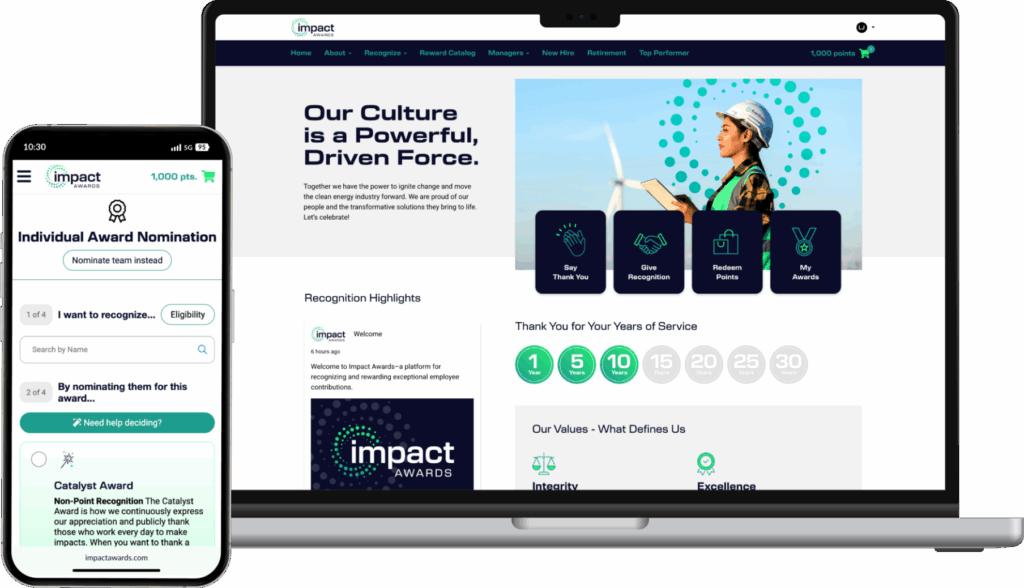
Deploy technology that lets employees choose rewards aligned with their interests. Xceleration’s RewardStation® (for example) offers merchandise, travel experiences, charitable donations, and professional development opportunities across 90+ countries, ensuring every team member finds something meaningful.
2. Milestone Celebrations
Recognize service anniversaries with curated rewards that reflect each employee’s tenure and contributions. Combine digital recognition with tangible rewards to create lasting trophy value.
3. Peer-to-Peer Recognition Programs
Empower employees to recognize colleagues directly. Gallup found that 28% of employees attribute their most meaningful recognition to managers, but peer recognition also drives significant engagement when implemented consistently.
4. Points-Based Systems
Give employees points they can accumulate and redeem for rewards that matter to them. This approach provides flexibility while maintaining engagement throughout the year.
5. Career Development Rewards
Offer online courses, certifications, or professional development programs through platforms like edX, showing investment in employees’ long-term growth.
Team-Building and Connection
6. Department Spotlights
Highlight different departments’ contributions through your internal communications channels, explaining how their work connects to organizational success.
7. Cross-Functional Recognition Events
Host gatherings that bring together teams from different areas to celebrate collective achievements and strengthen organizational bonds.
8. Team Achievement Awards
Recognize collaborative wins with group rewards or experiences that teams can enjoy together, reinforcing the value of teamwork.
9. Virtual Recognition Ceremonies
For distributed teams, create engaging online events where achievements are celebrated company-wide, ensuring remote employees feel equally valued.
10. Quarterly Excellence Awards
Establish recognition cadences that go beyond annual reviews, creating regular opportunities to acknowledge outstanding performance.
Leadership and Manager-Led Recognition
11. Executive Thank-You Messages
Have senior leaders send personalized video messages or notes to high performers, acknowledging specific contributions and their business impact.
12. Manager Recognition Training
Equip leaders with best practices for delivering meaningful recognition. Gallup data shows employees who strongly agree they receive valuable feedback are five times more likely to be engaged.
13. Skip-Level Recognition
Encourage managers’ managers to recognize team members directly, adding another layer of meaningful acknowledgment.
14. Recognition During Company-Wide Meetings
Use all-hands meetings to spotlight achievements, making recognition a visible part of organizational culture.
15. Immediate Recognition Tools
Provide managers with platforms that enable real-time acknowledgment when great work happens, not months later during performance reviews.
Experiential Recognition
16. Travel Experiences for Top Performers
Reward exceptional achievements with curated travel adventures that create lasting memories and demonstrate genuine appreciation.
17. Wellness Program Integration
Connect recognition to wellness initiatives, allowing employees to earn rewards for health-related achievements alongside work performance.
18. Experience-Based Rewards
Offer unique opportunities like concert tickets, cooking classes, or adventure activities that align with individual interests.
19. Extra Time Off
Give high performers additional paid time off as recognition, addressing what many employees value most: work-life balance.
20. Customized Celebration Packages
Create branded unboxing experiences with carefully curated items that reflect your company culture and the recipient’s achievements.
Strategic Recognition Programs
21. Values-Based Recognition
Align recognition with your organizational values, reinforcing the behaviors and outcomes that drive success.
22. Short-Term Initiative Recognition
Design targeted programs for specific projects or goals, then consolidate them with ongoing recognition efforts to maximize point accumulation.
23. Data-Driven Recognition Strategies
Use analytics to identify recognition gaps and ensure equitable acknowledgment across departments, roles, and demographics.
24. Multi-Tier Recognition Programs
Implement recognition structures that acknowledge different levels of achievement, from daily wins to major milestones.
25. Year-Round Recognition Calendars
Move beyond Employee Appreciation Day by establishing recognition touchpoints throughout the year, creating sustained culture change.
From Good Intentions to Measurable Results
Single-day celebrations show good intentions, but they miss a critical business opportunity. Organizations with highly effective recognition programs embedded into daily operations experience 31% lower voluntary turnover rates. They treat Employee Appreciation Day as a reinforcement of existing practices, not a substitute for year-round culture building.
The disconnect many leaders face is implementation. Building sustainable recognition programs can feel complex or resource-intensive. That’s where strategic partners make the difference. Technology platforms like RewardStation® provide the infrastructure, but equally important is expertise in program design, global rewards fulfillment, and ongoing optimization.
Building Recognition That Lasts
Effective recognition requires five elements, according to Gallup research: it must be fulfilling, authentic, equitable, embedded in culture, and personalized. Organizations that meet these criteria see measurable improvements in engagement, productivity, and retention.
RewardStation® supports this approach through customizable programs that integrate with your existing systems, comprehensive reporting that tracks program effectiveness, and global capabilities that ensure consistent experiences for all employees regardless of location. Our 25 years of experience across industries means we understand what drives results and how to adjust strategies for your unique business environment.
Transform Your Approach to Recognition
Employee Appreciation Day 2026 offers the perfect opportunity to evaluate whether your current recognition efforts match your retention and engagement goals. Are you treating recognition as an annual event or a strategic business practice? Do your employees feel valued consistently, or only during scheduled celebrations?
Organizations ready to move from sporadic appreciation to sustained recognition cultures discover that the investment pays dividends in reduced turnover, increased productivity, and stronger employer brands. The question isn’t whether to recognize employees, it’s whether your recognition efforts are strategic enough to drive the business outcomes you need.
Ready to transform how your organization recognizes excellence? Schedule a consultation with Xceleration to explore how leading companies are building cultures where employees feel valued every day, not just once a year.